From Prague’s democratic experience to Latin America’s democratic future.
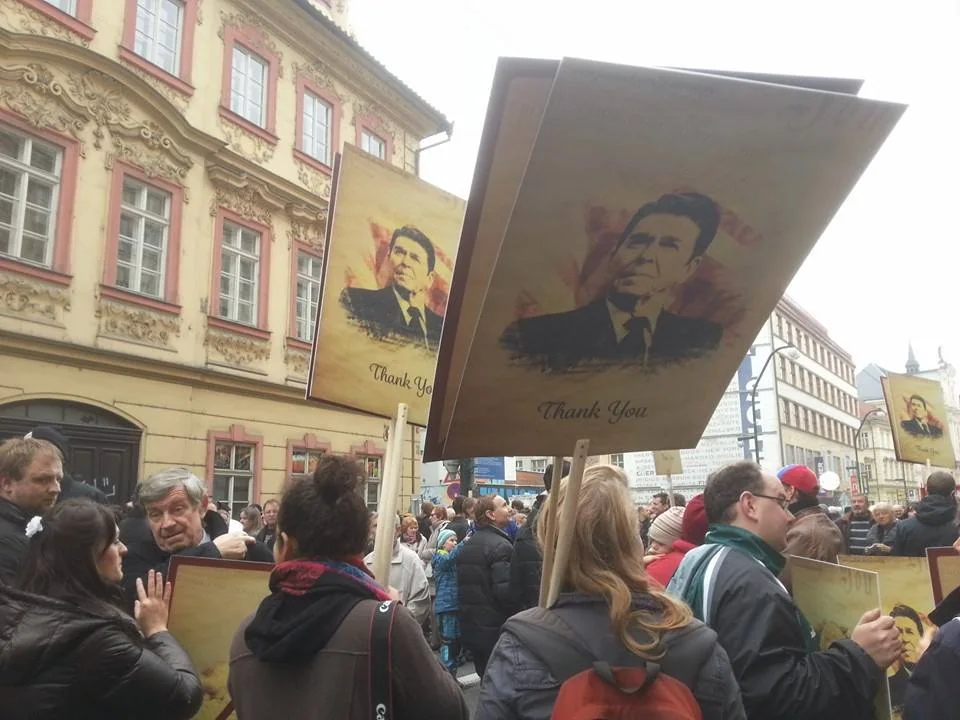
CASLA’s story grew from Prague’s post-1989 democracy-support environment and from a sustained effort to connect Central European experience with Latin American political, human-rights and institutional challenges.
A history shaped by democratic transition.
CASLA’s lineage links Prague’s post-communist democracy-support environment with long-term engagement in Latin America.
Institutional history
CASLA's history reflects a sustained engagement with human rights, democratic development, and the challenges of political transition. Its work draws on the experience of post-communist Europe while addressing repression and democratic challenges in Latin America.
A turning point in Europe’s democratic transformation
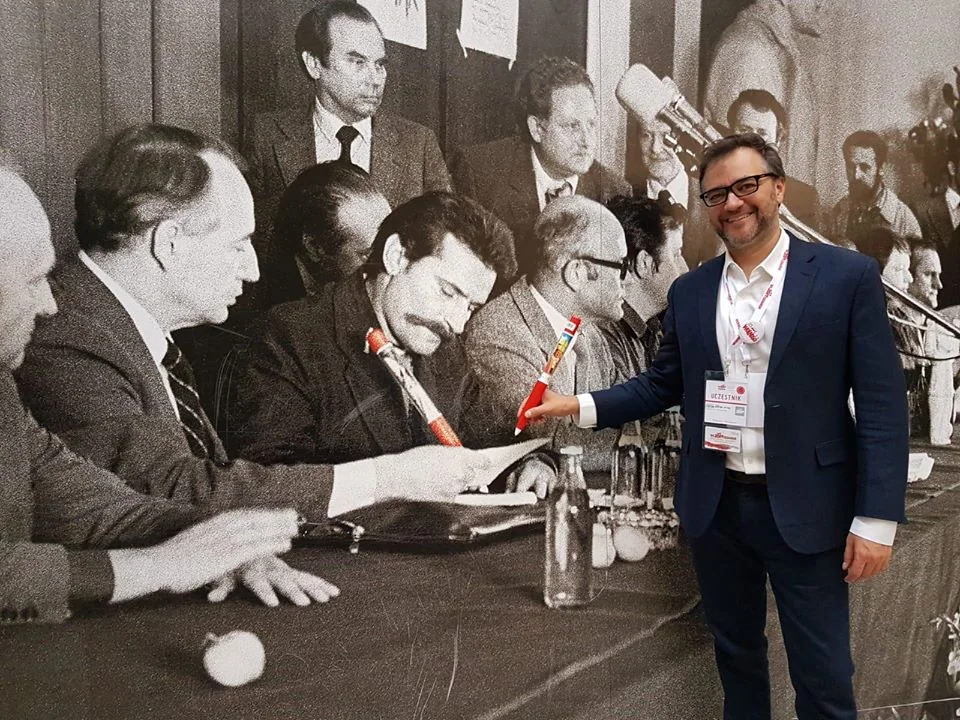
The collapse of communist rule across Central and Eastern Europe opened a new chapter in democratic transition. The experience of political change, institutional reform, and civic leadership would become an important reference point for CASLA’s work.
The beginnings of CASLA’s institutional work
The Center for Studies and Analysis for Latin America began its activities within the Respekt Institute, focusing on Latin American political developments and democratic and institutional challenges.
Regional analysis through international collaboration
The Latin American Insight project brought together Forum 2000, Respekt Institut, and the Association for International Affairs to promote a deeper understanding of Latin America. Jan Ruml and Carlos González Sháněl were identified as founders of the Center for Research and Analysis on Latin America (CASLA) at Respekt Institut.
CASLA Institute becomes an independent organization
Following the closure of Respekt Institut, CASLA Institute was established as an independent organization, building on its earlier work on Latin America and expanding its focus on human rights, political repression, and democratic development.
A growing presence in international democratic dialogue
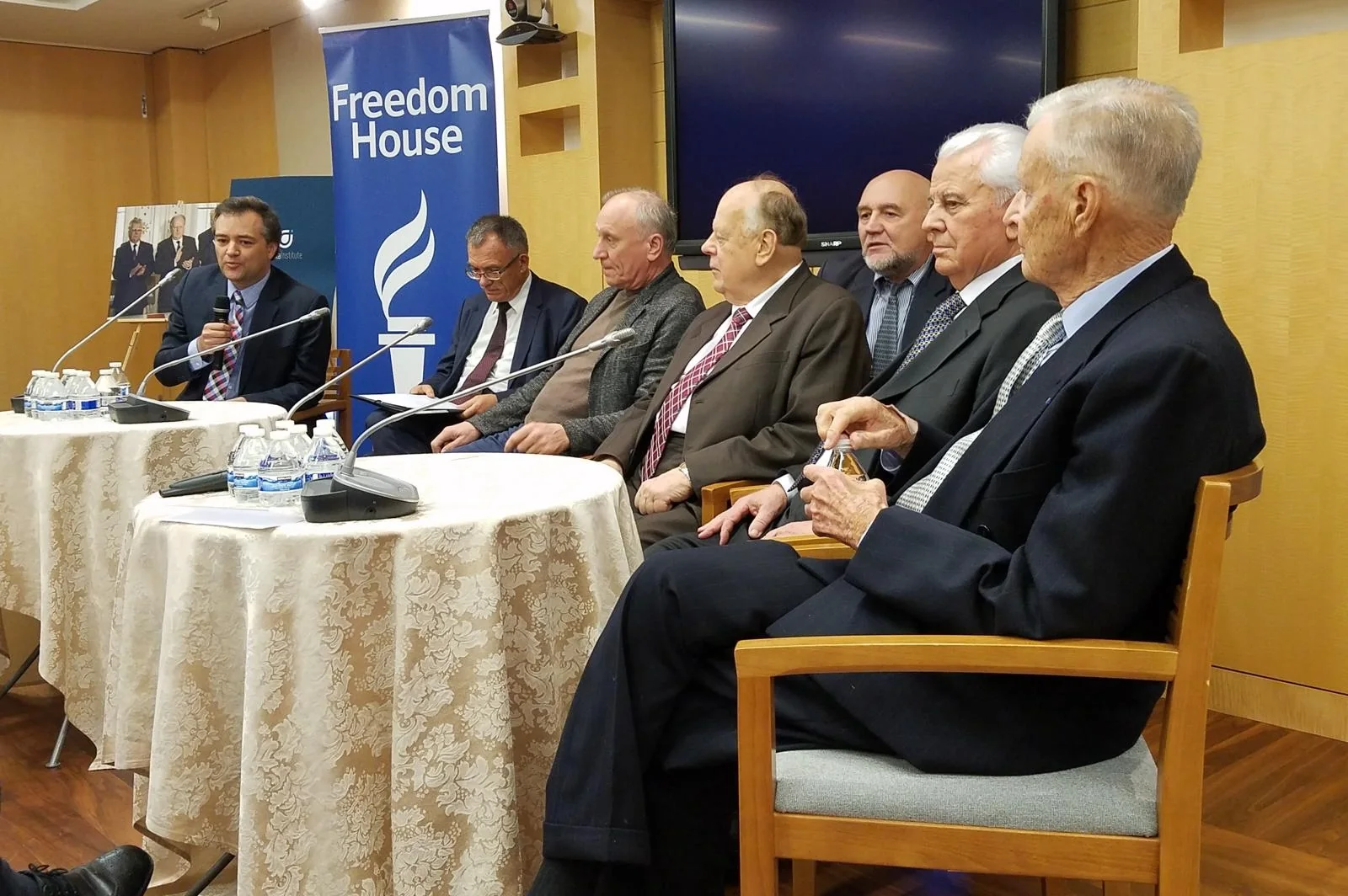
CASLA Institute participated in Forum 2000 discussions on democracy, institutional challenges, and political developments in Latin America, bringing regional perspectives into international debates.
Human rights documentation presented at the OAS
The Organization of American States hosted presentations of CASLA Institute’s annual reports on alleged crimes against humanity in Venezuela in both 2024 and 2025, reflecting the Institute’s engagement with international accountability efforts.
Expanding work on democratic transition
CASLA’s work increasingly connects human rights documentation with questions of democratic resilience, institutional reconstruction, and the lessons of political transitions in other regions.
Developing the next generation of democratic leadership
Through initiatives such as Juventudes CASLA and Encerronas, the Institute continues to convene emerging Latin American leaders and experienced political figures for dialogue on democracy, leadership, and the region’s political future.
A bridge built through people and institutions.